
Type | IA | |||||||||||||||||||||||||||||||
| Ordered | 17 Dec 1934 | |||||||||||||||||||||||||||||||
| Laid down | 1 Aug 1935 | AG Weser, Bremen (werk 904) | ||||||||||||||||||||||||||||||
| Launched | 14 Mar 1936 | |||||||||||||||||||||||||||||||
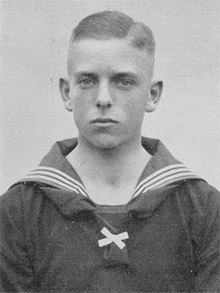
| Commissioned | 6 May 1936 | Kptlt. Werner Hartmann (Knights Cross) | ||||||||||||||||||||||||||||||
| Commanders |
| |||||||||||||||||||||||||||||||
| Career 6 patrols |
| |||||||||||||||||||||||||||||||
| Successes | 11 ships sunk, total tonnage 48,645 GRT 1 ship damaged, total tonnage 4,871 GRT | |||||||||||||||||||||||||||||||
| Fate |
Scuttled 1 July 1940 south-west of Ireland, in position 48.03N, 11.30W, after heavy damage suffered by depth charges from the British corvette HMS Gladiolus and bombs from an Australian Sunderland aircraft (10 Sqn RAAF/H). 48 survivors (no casualties). | |||||||||||||||||||||||||||||||
| Loss position | ||||||||||||||||||||||||||||||||
Attacks on this boat and other events
1 Jul 1940
The sinking of U-26
On the evening of 30 June U-26 sighted convoy OA 175 SSW of Ireland, reported its position, and overtook the convoy to set up a night attack. Lookouts on the convoy commodore's ship had apparently sighted the U-boat shortly before it dived, and the sole escort, HMS Gladiolus (K 34) (LtCdr H.M.C. Sanders, RNR), went to investigate. At 01.18 hrs on 1 July the surfaced U-boat torpedoed the Zarian, causing the corvette to return at full speed. U-26 was unable to evade the approaching escort on the surface due to problems with the diesel engines, and was forced to dive. The Asdic operators on HMS Gladiolus got a firm contact at a range of 1200 yds (1097m) and she dropped the first depth charges only ten minutes after Zarian was hit, followed by a second pattern shortly afterwards. U-26 had dived to 80m (262ft) and suffered severe damage; one of the aft ballast tanks flooding uncontrollably and causing the U-boat to sink by the stern to a depth of 230m (755ft). The corvette made four more attacks, using up nearly all available depth charges, retaining only five, and then stopped amidst a large patch of diesel oil and waited for the U-boat to surface while calling for assistance. With the starboard electric motor and one compressor out of action, U-26 was finally forced to surface after six hours, only 800 yards from the corvette, but remained unseen and managed to escape undetected.
At 08.15 hrs, Sunderland Mk.I P9603 (10 Sqn RAAF/H, pilot F/L W.N. Gibson) sighted the fleeing U-26 and dropped four 250 lb (113 kg) anti-submarine bombs as it dived, forcing the U-boat to surface again almost at once. The Sunderland attacked again, dropping a second stick of four bombs that detonated about 40m (130ft) away. HMS Gladiolus had sighted a cloud of smoke from the U-boat diesels simultaneously with the aircraft and made for it at top speed, but HMS Rochester (L 50) (Cdr G.F. Renwick, RN), arriving from the dispersed convoy OB 174, was faster. Unable to dive, the crew of U-26 prepared the boat for scuttling and began to abandon ship, when the sloop approached, firing over their heads in an attempt to discourage them from scuttling. The LI was the last out as the boat went down by the stern. The entire crew was picked up by the sloop and taken prisoner.
1 recorded attack on this boat.
Men lost from U-boats
Unlike many other U-boats, which during their service lost men due to accidents and various other causes, U-26 did not suffer any casualties (we know of) until the time of her loss.
U-boat Emblems
We have 2 emblem entries for this boat. See the emblem page for this boat or view emblems individually below.
 4 Leaf clover |
 Mickey Mouse with Umbrella |
Media links
|
|
|
|
|



There was another U-26 in World War One
That boat was launched from its shipyard on 16 Oct 1913 and commissioned into the Imperial Navy on 20 May 1914. The Naval war in WWI was brought to an end with the Armistice signed on 11 Nov, 1918. Read about SM U 26 during WWI.
As an Amazon Associate uboat.net earns a commission from qualifying purchases.